A Day in the Lassithi Plateau: Mountain Villages, Windmills and the Cave of Zeus
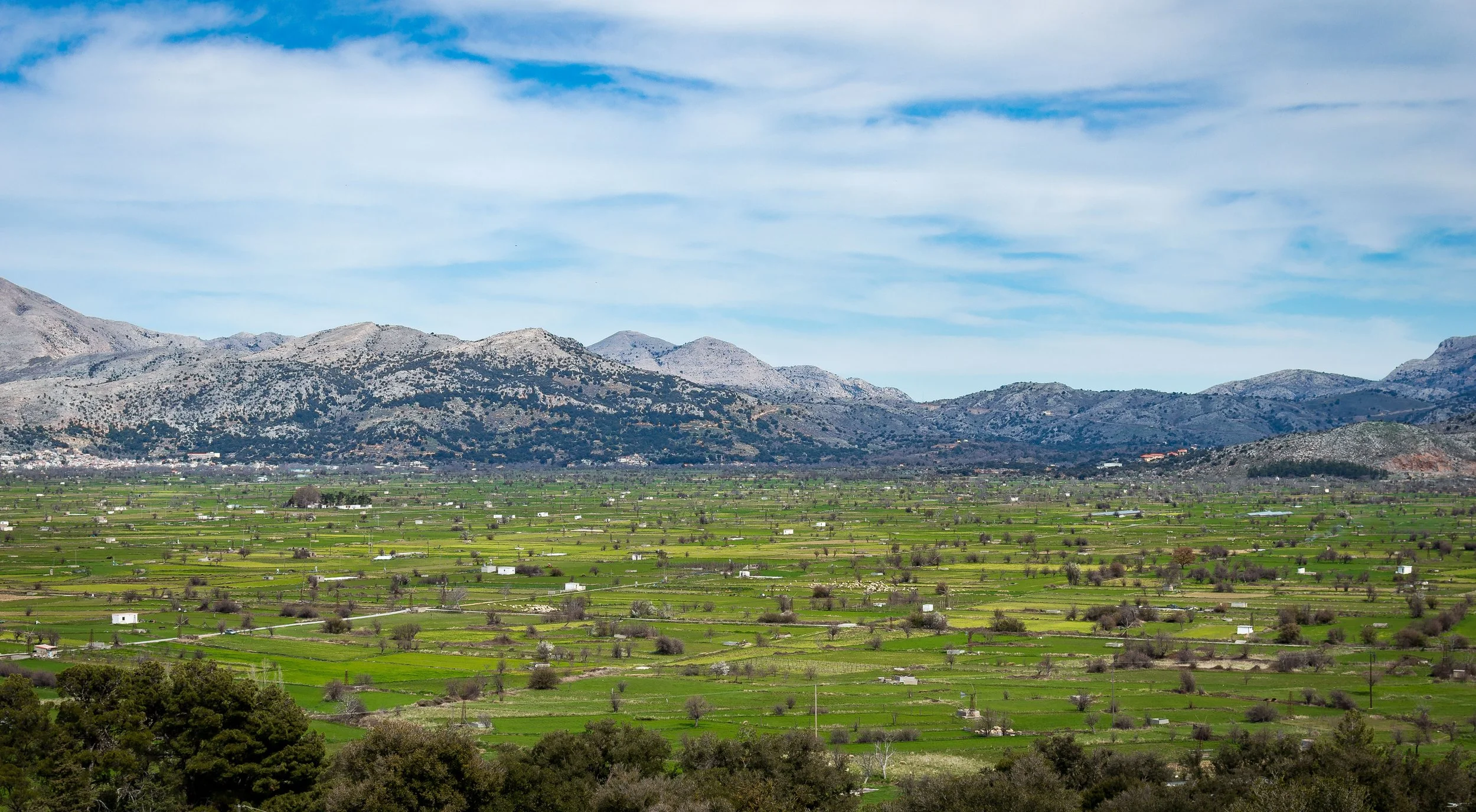
Lasithi Plateau
Leave the coast behind and drive into the mountains, and eastern Crete quickly begins to feel like a different island.
The Lassithi Plateau lies high in the mountains of eastern Crete, surrounded by the peaks of Mount Dikti. Instead of beaches and seaside promenades, the landscape here is made up of fertile fields, mountain villages, stone houses, old paths and wide open views.
It is one of the most rewarding day trips from Milatos for travellers who want to see a quieter and more traditional side of Crete.
And at the heart of the journey lies one of the island's most famous mythological places: Dikteon Cave, traditionally associated with the birth of Zeus.
Entering the Lassithi Mountains
The journey towards the plateau is part of the experience.
As the road climbs away from the coast, the landscape changes gradually. Olive groves give way to mountain scenery, while small villages appear along the route.
The air feels cooler, the pace becomes slower and the views become increasingly dramatic.
Eventually, the road opens onto the broad agricultural landscape of the Lassithi Plateau, surrounded by the mountains of Dikti.
For centuries, the plateau has been an important agricultural area. Its fertile land and mountain water sources helped create a distinctive rural landscape that still exists today.
The Famous Windmills of Lassithi
One of the most recognisable images of the plateau is its traditional windmills.
Hundreds of white-sailed windmills once operated across Lassithi, helping local farmers pump water for irrigation. Although many are no longer in operation, they remain an important symbol of the region and a reminder of the agricultural traditions that shaped life here.
The contrast between the white windmill structures, green fields and rugged mountains makes the plateau particularly beautiful for photography.
It is also one of those landscapes where it is worth slowing down rather than simply driving through.
Discover the Mountain Villages
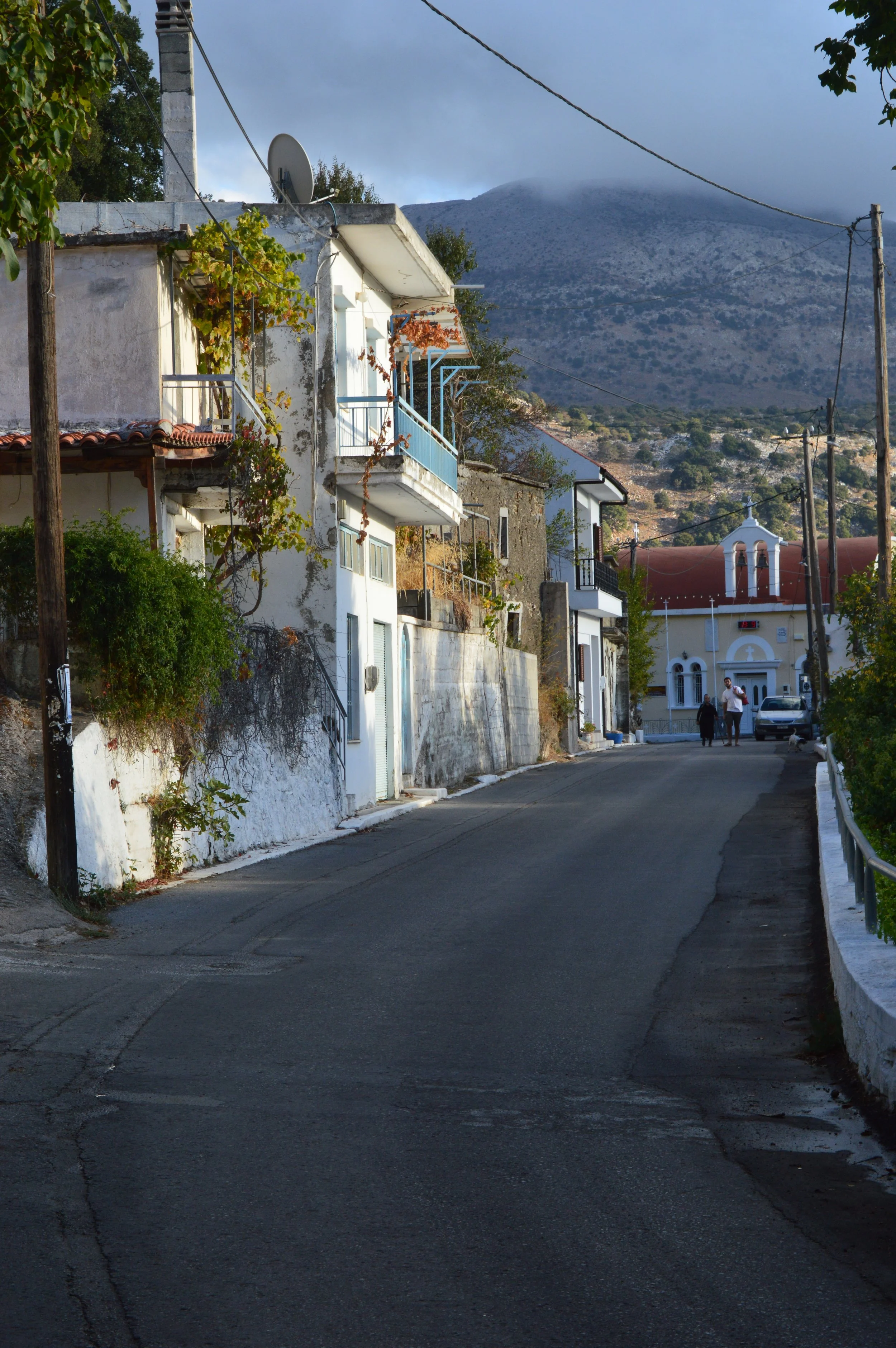
Around the plateau are a number of traditional villages, each with its own character.
Villages such as Tzermiades, the main settlement of the plateau, provide an opportunity to stop for coffee, a simple meal or a walk through the local streets.
You do not need to create a strict sightseeing schedule here.
One of the pleasures of Lassithi is simply stopping in a village square, sitting under the shade of a tree and watching everyday Cretan life unfold.
The pace is different from the coastal resorts.
Dikteon Cave and the Birth of Zeus
The most famous cultural attraction of the plateau is Dikteon Cave, also known as Psychro Cave.
According to ancient mythology, the cave was the birthplace of Zeus, who was hidden here by his mother Rhea to protect him from his father, Cronus.
The cave became an important place of worship in antiquity and is one of the most famous mythological landscapes in Crete. The Ministry of Culture describes Dikteon Cave as one of the island's important archaeological sites and notes its connection with several well-known mythological traditions.
Today, visitors can descend into the cave and see its impressive natural formations.
The combination of mythology, archaeology and the dramatic mountain setting makes the visit particularly memorable.
A Landscape Made for Slow Travel
The Lassithi Plateau is not a destination that needs to be rushed.
Unlike a day spent moving from one major attraction to another, a visit here works best when you leave time for the landscape itself.
Stop for coffee.
Walk through a village.
Photograph the old windmills.
Try some local food.
Take a mountain road simply because the view looks interesting.
This is the side of Crete that many visitors remember long after their holiday is over.
What to Eat in Lassithi
Food is another reason to make the journey into the mountains.
The cooler climate and fertile land of the plateau have traditionally supported vegetables, pulses and other agricultural products. Crete's Lassithi Plateau is particularly associated with the cultivation of broad beans, among other local produce.
In the villages, look for simple Cretan dishes prepared with local ingredients rather than complicated restaurant menus.
A mountain lunch can be the perfect middle point of the day before continuing your exploration.
A Perfect Day Trip from Milatos
From Garden Villas Milatos, the Lassithi Plateau makes an excellent full-day excursion.
A relaxed itinerary could look something like:
Milatos → Lassithi Plateau → Mountain villages → Dikteon Cave → Traditional lunch → Return through the mountains
You can also combine the trip with other stops along the way, depending on how much time you have.
The journey offers something very different from the beaches and coastal towns around Milatos. It is a chance to experience the mountains, villages and agricultural traditions that form another important part of eastern Crete.
From the Sea to the Mountains
One of the great advantages of staying in Milatos is the variety of landscapes within easy reach.
In the morning, you can swim in the sea.
Later in the same day, you can be high in the mountains, surrounded by fields, stone villages and the peaks of Dikti.
That contrast is part of what makes eastern Crete so interesting.
The Lassithi Plateau is not simply a place to visit for an hour or two. It is a landscape to explore slowly — where mythology, agriculture, mountain villages and Cretan hospitality come together.
And after a day among the mountains, returning to the quieter surroundings of Pakio Villa or Douloumi Villa at Garden Villas Milatos brings you back to the coast — with a very different picture of Crete in your mind.
Potamoi village
