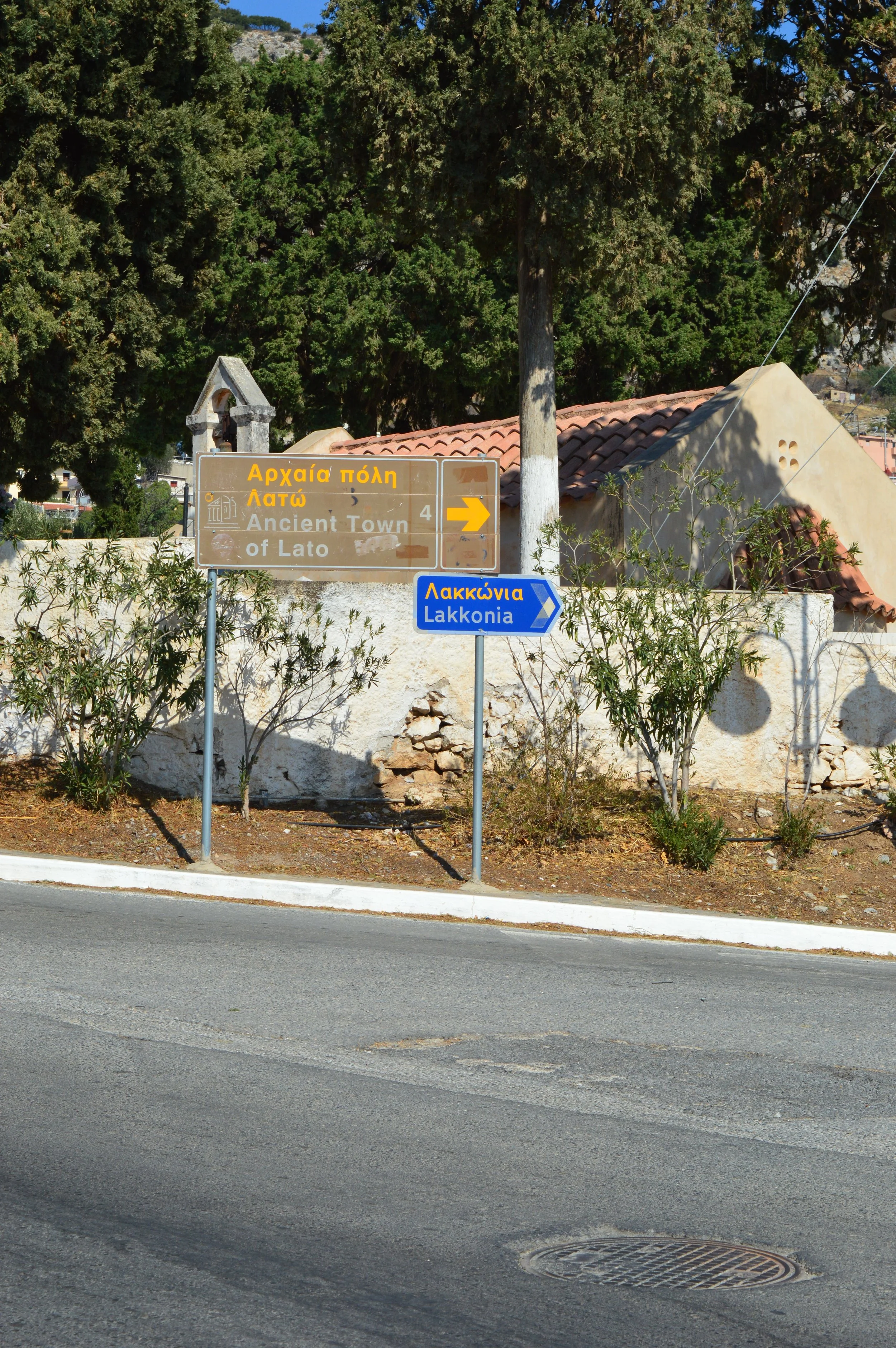
High in the hills above eastern Crete, only a short drive from Kritsa, lies the archaeological site of Ancient Lato — one of the best-preserved cities of the Classical-Hellenistic period in Crete.
Built between two hills in a naturally protected position, Lato once overlooked a large part of the surrounding landscape and Mirabello Bay. Today, its stone streets, terraces, public buildings and ancient gathering places offer a fascinating glimpse into everyday life in a Cretan city more than 2,000 years ago.
For guests staying at Garden Villas Milatos, it is an easy cultural day trip and an excellent place to combine with Kritsa and Panagia Kera.
A Powerful Doric City
Lato was one of the important Doric city-states of ancient Crete. The city flourished particularly during the 4th and 3rd centuries BC, when it developed into an important political, commercial and military centre.
Its location was not accidental.
The city was constructed between two hills, creating a naturally defensive position while providing extensive views across the surrounding countryside. From the site, it is easy to understand why this particular landscape was chosen for an ancient settlement.
The name Lato is traditionally associated with Leto, the mother of Apollo and Artemis. The city's principal cult, however, was dedicated to Eileithyia, the goddess associated with childbirth.
Walking Through the Ancient City
What makes Lato especially interesting is that you are not simply looking at isolated ruins.
The remains still reveal the structure of an ancient city.
Walking through the archaeological site, you can follow ancient streets and stairs between buildings constructed on different levels of the hillside. Houses were arranged on terraces, adapting the urban plan to the natural landscape.
At the centre of the city was the Agora, the public heart of Lato. Nearby were important civic buildings, including the Prytaneion, while a theatre and other public spaces provided places for gatherings and communal life.
The combination of architecture and landscape makes the visit particularly rewarding. Instead of seeing ruins as separate monuments, you can begin to imagine how the whole city once worked.
Lato and Modern Agios Nikolaos
There is an interesting connection between Ancient Lato and the modern town of Agios Nikolaos.
Lato had a coastal port known as Lato pros Kamara, located where Agios Nikolaos developed. The relationship between the hilltop city and its coastal harbour helps connect the archaeological landscape with the modern destination visitors see today.
This is one of the reasons a visit to Lato can add another layer to a day spent in Agios Nikolaos.
The modern town around Lake Voulismeni may feel completely different from the ancient hilltop settlement, but both belong to the long history of the same region.
The Views Are Part of the Experience
Even if you are not particularly interested in archaeology, Lato is worth visiting for its setting.
The ruins stretch across the hills, surrounded by the characteristic landscape of eastern Crete. From the higher parts of the site, the views help explain the strategic importance of the location and offer a completely different perspective of the region.
There is something particularly atmospheric about walking among ancient stones while looking across the same Cretan landscape that has connected mountain settlements with the coast for thousands of years.
Combine Ancient Lato with Kritsa
Ancient Lato works especially well as part of a wider excursion.
A natural combination is:
Kritsa → Panagia Kera → Ancient Lato
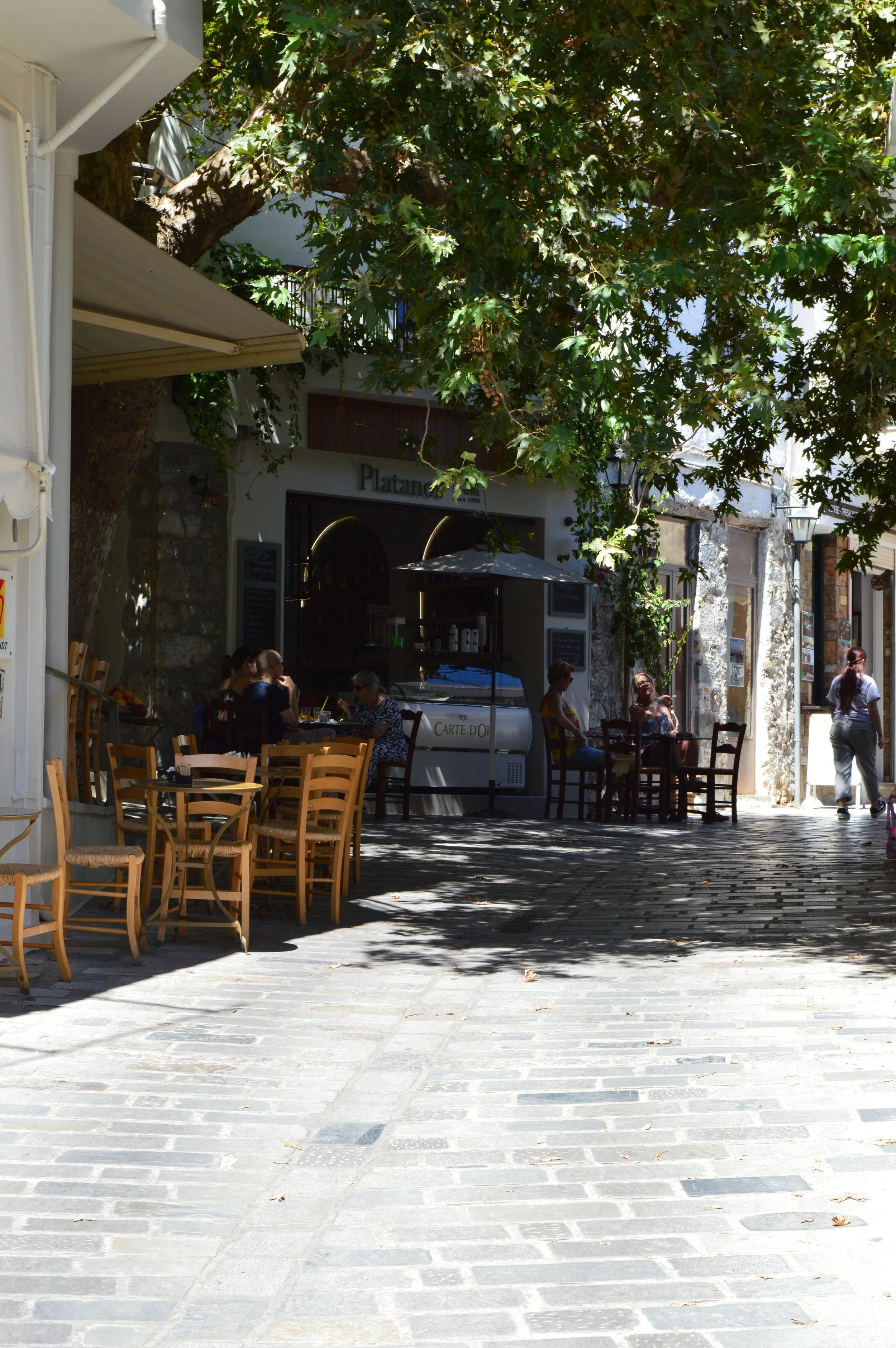
Kritsa provides the living side of traditional Crete, with its narrow streets, stone houses, weaving traditions and local atmosphere. Just outside the village, Panagia Kera introduces the Byzantine heritage of the region, while Lato takes you much further back into the ancient past.
Together, the three places create a remarkably varied day without requiring a long journey.
If you have more time, you can continue towards the mountains and explore the landscape around the Katharo Plateau, another area closely connected with the wider region of Kritsa.
A Quiet Alternative to the More Famous Archaeological Sites
Crete is famous for places such as Knossos and Malia, but Ancient Lato offers a different kind of archaeological experience.
It is smaller and generally much quieter, allowing you to walk through the remains at your own pace. The site also feels closely connected to the landscape rather than separated from it.
For travellers who enjoy history, photography, architecture or simply discovering places away from the busiest tourist routes, Lato is one of eastern Crete's rewarding hidden treasures.
Visiting Ancient Lato from Milatos
From Garden Villas Milatos, Ancient Lato can be included in a full-day exploration of the eastern part of Crete.
A good route is to begin with Ancient Lato, continue to Kritsa and Panagia Kera, and then head towards Agios Nikolaos for lunch or an afternoon walk around Lake Voulismeni.
The archaeological site is located about 3 km from Kritsa and around 18 minutes by car from Agios Nikolaos, according to the Hellenic Heritage information.
The site is open to visitors, but opening hours can change seasonally, so it is worth checking the official information before setting out.
A Place Where History Still Feels Close
Ancient Lato is not simply a collection of old stones.
Its streets, terraces, public spaces and dramatic setting allow visitors to understand how an ancient Cretan city was organised and how closely its people lived with the surrounding landscape.
And when you later return to Agios Nikolaos — or back to the quieter surroundings of Milatos — you may look at eastern Crete a little differently.
The villages, mountains and coastline are no longer just scenery. They are part of a landscape shaped by thousands of years of human history.